Tilapia farming has become one of the most promising sectors in Bangladesh’s aquaculture industry. Farmers across the country are turning to this hardy fish because it grows quickly, adapts well to local pond conditions, and provides a reliable source of income. However, success in tilapia farming depends heavily on proper nutrition. High-quality tilapia feed Bangladesh plays a vital role in achieving faster growth, lower feed waste, and healthier fish stocks.
Japan-Bangla Feeds Ind. Ltd. stands out as a leading provider of tilapia feed Bangladesh. Established in 2020, the company blends Japanese precision technology with local expertise to produce feeds that meet the specific needs of Bangladeshi farmers. Their commitment to quality has helped thousands of fish farmers improve yields and profitability.
Why Tilapia Farming is Thriving in Bangladesh
Bangladesh has abundant water resources, with countless ponds, rivers, and flooded lands ideal for aquaculture. Tilapia, often called the “aquatic chicken,” thrives in these environments. It tolerates a wide range of water conditions and can be raised in both monoculture and polyculture systems.
Farmers appreciate tilapia for its rapid growth cycle. With proper care and nutrition, fish can reach market size in just a few months. Demand for tilapia remains strong in local markets due to its mild taste and nutritional value. As a result, many small and medium-scale farmers are expanding their operations.
Yet, one of the biggest challenges is feed quality. Poor feed leads to slow growth, disease outbreaks, and higher costs. This is where specialized tilapia feed Bangladesh from trusted manufacturers like Japan-Bangla Feeds Ind. Ltd. makes a real difference.
Understanding the Nutritional Needs of Tilapia
Tilapia are omnivorous fish that require a balanced diet rich in protein, carbohydrates, fats, vitamins, and minerals. Young tilapia (fry and fingerlings) need higher protein levels, around 28-35%, while grower stages benefit from slightly lower but still nutritious formulations.
Key benefits of good feed include:
- Improved Feed Conversion Ratio (FCR) – meaning less feed is wasted and more turns into fish flesh.
- Better immunity against common diseases.
- Faster weight gain for quicker harvests.
- Reduced water pollution from uneaten feed.
Floating feeds are particularly popular for tilapia because farmers can easily monitor consumption and adjust feeding rates. Japan-Bangla Feeds Ind. Ltd. offers both floating and sinking options formulated for different growth stages.
Japan-Bangla Feeds Ind. Ltd.: Your Trusted Partner in Tilapia Feed Bangladesh
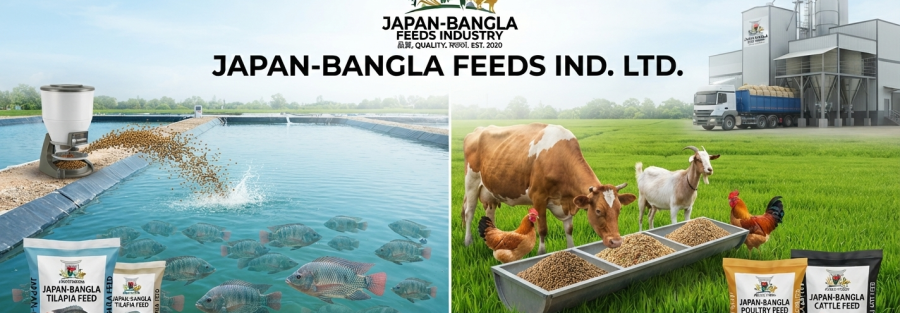
Japan-Bangla Feeds Ind. Ltd. (JBFI) has quickly earned a reputation as one of the best feed companies in Bangladesh. Their modern factories in Gazipur use advanced production techniques inspired by Japanese standards. This ensures every batch of tilapia feed Bangladesh is consistent, clean, and highly nutritious.
The company focuses on:
- Premium Ingredients: Carefully selected local and high-quality sources to provide optimal nutrition without unnecessary fillers.
- Stage-Specific Formulas: Starter feeds for fry, grower feeds for fingerlings to market size, and specialized options for broodstock.
- Water Stability: Feeds that hold together longer in ponds, reducing waste and keeping water cleaner.
- Farmer Support: Technical advice, farm visits, and guidance on feeding practices.
Many farmers report noticeable improvements after switching to JBFI products. Fish show better appetite, vibrant health, and reach harvest size faster compared to lower-grade alternatives.
Advantages of Using Quality Tilapia Feed Bangladesh from JBFI
Choosing the right feed can transform your farming results. Here are some key benefits of partnering with Japan-Bangla Feeds Ind. Ltd.:
- Faster Growth and Higher Yields: Balanced nutrition supports rapid muscle development, helping farmers achieve more kilograms per pond cycle.
- Cost Efficiency: Although premium feeds cost slightly more upfront, better FCR means overall feed expenses per kilogram of fish produced are often lower.
- Healthier Fish Stocks: Stronger immunity reduces losses from disease, saving money on treatments and maintaining steady production.
- Environmental Benefits: High-quality floating feeds minimize uneaten particles, leading to better pond water quality and sustainable farming.
- Market-Ready Fish: Fish fed with JBFI products often have better flesh quality, appealing to buyers and commanding good prices.
Farmers using JBFI tilapia feed Bangladesh frequently share stories of doubled production or significantly reduced mortality rates. The company’s dedication to research helps them adapt formulas to local conditions, including climate challenges.
Best Practices for Feeding Tilapia in Bangladesh
Success requires more than just good feed. Follow these simple tips:
- Feed According to Size and Stage: Use smaller pellets for fry and larger ones for growers. Avoid overfeeding.
- Feeding Frequency: Feed 2-4 times daily, preferably at consistent times. Observe fish behavior to adjust amounts.
- Monitor Water Quality: Good feed helps, but regular water exchange and aeration support healthy growth.
- Storage: Keep feed in cool, dry places to maintain freshness.
- Combine with Natural Food: In pond systems, natural plankton supplements commercial feed effectively.
Japan-Bangla Feeds Ind. Ltd. experts can provide personalized advice tailored to your pond setup. Their support goes beyond selling bags – they help farmers achieve long-term success.
How Japan-Bangla Feeds Supports the Aquaculture Community
Beyond manufacturing, JBFI acts as a true partner to Bangladeshi farmers. They have built a strong network of dealers and depots nationwide, making their tilapia feed Bangladesh easily accessible even in remote areas.
The company invests in farmer training programs and stays updated with global best practices. Their Japanese-inspired quality control ensures safety and performance that competitors often struggle to match. By empowering rural communities, JBFI contributes to national food security and economic growth.
If you are looking for reliable supply, consistent quality, and expert guidance, Japan-Bangla Feeds Ind. Ltd. is the clear choice. Contact Japan-Bangla Feeds Ind. Ltd. today to discuss your farming needs and explore their range of tilapia feeds.
Challenges in Tilapia Feed Bangladesh and Innovative Solutions
Like any industry, tilapia farming faces hurdles such as fluctuating ingredient costs, seasonal water issues, and competition from imported feeds. Japan-Bangla Feeds Ind. Ltd. addresses these through local sourcing where possible and efficient production methods that keep prices competitive.
Their research into alternative proteins and sustainable formulations positions them well for the future. Farmers benefit from feeds that perform reliably even during challenging periods.
For international insights on advanced aquaculture nutrition, check resources from global leaders like Feed One Co. or specialized tilapia feed producers such as Zeigler.
Real Impact on Farmers’ Lives
Many smallholders using JBFI feeds have expanded their operations, hired local labor, and improved household incomes. Stories from satisfied customers highlight how quality tilapia feed Bangladesh turns ponds into profitable ventures.
Whether you manage a small backyard pond or a larger commercial farm, investing in superior feed pays dividends through healthier fish and stronger returns.
Conclusion: Choose Excellence with Japan-Bangla Feeds Ind. Ltd.
In the competitive world of aquaculture, tilapia feed Bangladesh from Japan-Bangla Feeds Ind. Ltd. offers the perfect combination of quality, performance, and support. Their Japanese technology adapted for local conditions helps farmers overcome challenges and achieve outstanding results.