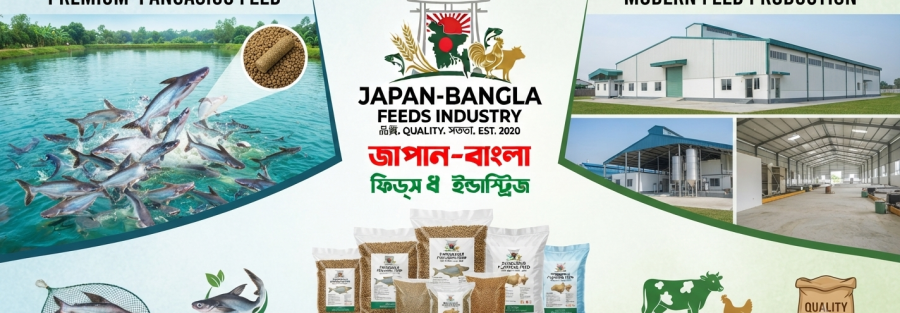
Pangasius fish farming has become one of the most profitable aquaculture businesses in Bangladesh. Farmers love this fast-growing species for its high yield, adaptability to pond conditions, and strong market demand both locally and for export. However, success heavily depends on choosing the right Pangasius fish feed supplier. Poor quality feed can lead to slow growth, disease, and low profits. This is where Japan-Bangla Feeds Ind. Ltd. makes a real difference as a trusted Pangasius fish feed supplier.
Japan-Bangla Feeds Ind. Ltd. combines modern technology with local expertise to produce high-quality fish feed tailored for Pangasius and other species. With factories in Gazipur and a strong focus on research, the company helps farmers achieve better feed conversion ratios (FCR) and healthier stocks. In this article, we explore everything about Pangasius farming and why Japan-Bangla Feeds is the preferred Pangasius fish feed supplier for thousands of Bangladeshi farmers.
Understanding Pangasius Fish and Its Farming Potential
Pangasius, also known as Pangas or Basa, is a large catfish species originally from the Mekong River. In Bangladesh, it grows rapidly, often reaching market size (1-1.5 kg) within 6-8 months under proper management. It is omnivorous and thrives in freshwater ponds, making it ideal for both small and large-scale operations.
Farmers appreciate Pangasius for its low maintenance and high meat yield with few bones. The white, mild-flavored fillet is popular in domestic markets and has export potential. However, intensive farming requires balanced nutrition to support fast growth without polluting water. This is why selecting a reliable Pangasius fish feed supplier like Japan-Bangla Feeds Ind. Ltd. is essential.
Proper pond preparation, stocking density (around 20,000-30,000 fingerlings per hectare), and consistent feeding are key. Water quality management, including regular changes and aeration, also plays a big role. With the right support from a dedicated Pangasius fish feed supplier, farmers can achieve production levels of 10-15 tons per hectare per cycle.
Nutritional Needs of Pangasius Fish
Pangasius has relatively low protein requirements compared to other carnivorous fish, making feed formulation cost-effective. Grow-out feeds typically contain 26-32% crude protein, with high plant-based ingredients like rice bran, soybean meal, maize, and limited fishmeal (around 5%). Lipids should be 5-8%, with essential vitamins and minerals for immunity and bone health.
Feeding rates vary by fish size and season:
- Fry and fingerlings: 5-10% of body weight daily
- Grow-out stage: 2-5% of body weight
- Frequency: 2-3 times per day
Sinking pellets work best for Pangasius as they are bottom feeders. Floating feeds can supplement but may not reach all fish efficiently. Japan-Bangla Feeds Ind. Ltd., as a leading Pangasius fish feed supplier, offers both sinking and floating options formulated to these exact standards. Their feeds ensure excellent water stability, reducing waste and maintaining pond health.
Benefits of Using Quality Commercial Feed
Many farmers still rely on farm-made feeds like rice bran and oil cake mixtures. While cheaper initially, these often lack balance, leading to poor growth and higher disease risk. Commercial feeds from a professional Pangasius fish feed supplier provide:
- Consistent nutrition for uniform growth
- Better FCR (around 1.5-1.8:1)
- Reduced mortality
- Improved fillet quality for market
- Less pond pollution
Studies show that high-quality pelleted feeds significantly boost profitability despite higher upfront costs. Japan-Bangla Feeds Ind. Ltd. uses advanced manufacturing to produce durable, palatable pellets that fish consume efficiently.
Why Choose Japan-Bangla Feeds Ind. Ltd. as Your Pangasius Fish Feed Supplier?
Japan-Bangla Feeds Ind. Ltd. stands out among competitors due to its commitment to quality and farmer success. Here’s what makes them the top choice:
- Scientifically Formulated Feeds: Their sinking fish feed for Pangasius, Tilapia, and Carp is designed for bottom feeders. It promotes rapid weight gain and strong health.
- High Standards and Technology: With Japanese-influenced expertise and local adaptation, feeds meet international quality benchmarks while suiting Bangladeshi conditions.
- Wide Product Range: From starter to grower/finisher feeds, they cover all life stages. Packaging in 25kg bags suits commercial farms.
- Focus on Sustainability: Low-waste formulas help maintain water quality, supporting long-term farming.
- Farmer Support: The company offers guidance on feeding practices, pond management, and market trends. With hundreds of authorized dealers nationwide, supply is reliable.
Thousands of successful farmers across Bangladesh trust Japan-Bangla Feeds Ind. Ltd. Their feeds help achieve higher yields and better profits compared to generic options.
Best Practices for Pangasius Feeding with Japan-Bangla Feeds
To maximize results from your Pangasius fish feed supplier:
- Match Feed Size: Use smaller pellets for juveniles and larger for adults.
- Observe Feeding Response: Adjust quantities to avoid leftovers.
- Combine with Natural Food: Plankton from fertilized ponds complements commercial feed.
- Monitor Health: Look for active swimming and good appetite as signs of proper nutrition.
- Storage: Keep feed in cool, dry places to maintain freshness.
Many users report 20-30% better growth rates when switching to premium sinking feeds from Japan-Bangla.
Challenges in Pangasius Farming and How Quality Feed Helps
Common issues include fluctuating feed prices, disease outbreaks, and market price drops. A reliable Pangasius fish feed supplier mitigates these by providing cost-effective, high-performance nutrition that improves FCR and reduces medication needs. Japan-Bangla Feeds Ind. Ltd. maintains steady supply chains, helping farmers plan better.
Environmental concerns like water pollution from excess feed are also addressed through highly digestible formulas.
Future of Pangasius Farming in Bangladesh
With growing domestic consumption and export opportunities, Pangasius farming is set to expand. Government support for aquaculture and modern feed technology will drive this growth. Forward-thinking farmers are partnering with innovative companies like Japan-Bangla Feeds Ind. Ltd. to stay competitive.
Investing in quality feed today means higher returns tomorrow. As a dedicated Pangasius fish feed supplier, Japan-Bangla Feeds empowers farmers to scale operations sustainably.
Success Stories from Farmers Using Japan-Bangla Feeds
Farmers in Gazipur, Mymensingh, and other regions share positive experiences. One pond owner increased his yield by over 25% after switching to their sinking Pangasius feed. Reduced FCR meant lower costs per kg of fish produced. Such results highlight the value of choosing an experienced supplier.
How to Get Started with Japan-Bangla Feeds Ind. Ltd.
Becoming a customer is simple. Visit their website or contact dealers for samples and bulk orders. Their team provides customized advice based on your farm size and goals. Whether you are a beginner or experienced farmer, they support your success.