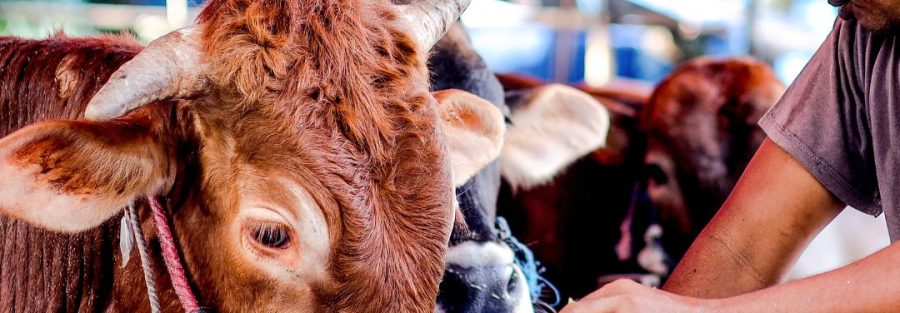
Bangladesh’s livestock sector stands as a cornerstone of the rural economy, supporting millions of smallholder farmers, dairy producers, and beef fattening operations. With a growing population and rising demand for milk, meat, and other animal proteins, cattle farming has expanded significantly. However, one of the most pressing challenges remains the fluctuating and often rising prices of cattle feed. In 2026, understanding these prices and opting for high-quality, cost-effective solutions is more critical than ever for maintaining profitability.
Japan Bangla Feeds Industry (JBFI) emerges as a reliable partner in this landscape, offering premium cattle feeds designed to optimize nutrition while helping farmers manage costs effectively. Established with a vision to bring international quality standards to Bangladesh, JBFI combines advanced formulations with locally sourced ingredients to deliver superior results for dairy and beef cattle.
Current Cattle Feed Price Trends in Bangladesh
As of mid-2026, cattle feed prices in Bangladesh have seen notable adjustments due to increases in raw material costs, including maize, soybean meal, wheat bran, and packaging materials. Many leading manufacturers announced price hikes effective from early April 2026, with cattle feeds rising by approximately BDT 2.00 per kg alongside similar adjustments for other livestock feeds.
Retail prices for standard cattle feeds typically range from BDT 40 to 55 per kg, translating to BDT 1,000 to 1,400 or more per 25-40 kg bag, depending on the type—whether dairy-specific, fattening, or general maintenance formulas. Premium or specialized feeds, such as those enriched with higher protein levels or balanced minerals for high-yielding dairy cows, can command higher prices, sometimes reaching BDT 50-60 per kg.
For instance, popular dairy feeds are often priced around BDT 48-52 per kg in pellet form, while beef fattening rations may vary based on energy density. Traditional or homemade concentrates using wheat bran, rice husk, and oilcakes have also seen sharp increases, with wheat bran sacks (around 35-50 kg) now costing significantly more than in previous years. This has pushed overall production costs higher for farmers, especially ahead of festivals like Eid-ul-Azha when demand for fattened cattle surges.
Factors driving these prices include global commodity fluctuations, local supply chain disruptions, currency pressures, and rising demand from the expanding livestock sector. The overall animal feed market in Bangladesh, valued at over USD 2.2 billion recently, continues to grow at a steady CAGR, reflecting both challenges and opportunities.
Small and medium-scale farmers, who form the backbone of cattle rearing in regions like Rangpur, Chattogram, and Gazipur, often face the brunt of these hikes. Many report spending heavily on feed, which can constitute 60-70% of total production costs. When milk prices remain relatively stable or cattle selling prices do not fully offset the increases, profitability shrinks, pushing some toward distress sales.
The Impact on Dairy and Beef Farmers
Rising cattle feed prices directly affect milk yield and weight gain in beef animals. Suboptimal nutrition leads to lower productivity, increased disease susceptibility, and longer fattening periods—ultimately raising the cost per liter of milk or per kg of meat. Farmers in Dhaka and surrounding areas have noted that without efficient feeds, maintaining a herd becomes unsustainable.
In this context, quality over quantity becomes paramount. Cheap, unbalanced feeds may seem economical initially but result in poor feed conversion ratios (FCR), higher veterinary costs, and reduced output. Japan Bangla Feeds Industry addresses this by providing scientifically formulated cattle feeds that maximize nutrient absorption, supporting better health and productivity even in a high-price environment.
JBFI’s dairy feeds are tailored for high-milk-yielding breeds, incorporating balanced proteins, energy sources, vitamins, and minerals to boost lactation while maintaining body condition. Their beef fattening formulas promote rapid, healthy weight gain with optimal marbling and meat quality. These products help farmers achieve superior results per taka spent on feed.
Why Choose Premium Feeds Like Those from Japan Bangla?
Japan Bangla Feeds Industry distinguishes itself through stringent quality control, modern manufacturing facilities in Gazipur, and a commitment to farmer success. Unlike generic options, JBFI feeds undergo rigorous testing to ensure consistency, palatability, and efficacy.
Key benefits include:
- Improved Feed Efficiency: Better digestion means less waste and more nutrients utilized for milk or growth.
- Cost Savings in the Long Run: Higher productivity offsets initial price differences.
- Health Support: Reduced incidence of metabolic disorders common in intensive farming.
- Sustainability: Formulations that minimize environmental impact through efficient resource use.
Farmers partnering with JBFI often report noticeable improvements in milk production (up to 10-20% in some cases with proper management) and faster fattening cycles, making the investment worthwhile amid rising prices.
The company also emphasizes knowledge sharing, offering guidance on balanced rations, feeding schedules, and integration with local forages like grass, straw, and agricultural by-products to further optimize costs.
Strategies for Managing Cattle Feed Costs
- Opt for Quality Commercial Feeds: Brands like Japan Bangla provide complete or supplementary feeds that reduce reliance on expensive or inconsistent homemade mixes.
- Bulk Purchasing and Dealer Networks: Engaging with authorized distributors can yield better rates and consistent supply.
- Integrated Feeding Programs: Combine commercial pellets with affordable roughages and monitor animal performance regularly.
- Stay Informed on Market Trends: Prices fluctuate; timely purchases can help.
- Seek Expert Advice: Consult manufacturers directly for customized solutions.
For personalized support, bulk inquiries, or dealership opportunities with Japan Bangla Feeds Industry, visit their contact page at https://japanbanglabd.com/contact/. Their team responds promptly to farmer needs.
Future Outlook for Cattle Feed in Bangladesh
The animal feed sector is projected to reach nearly USD 2.9 billion by 2034, driven by modernization, better genetics, and government support for livestock. However, raw material volatility will likely persist. Innovation in local sourcing, alternative ingredients, and precision nutrition will be key.
Japan Bangla Feeds Industry is well-positioned to lead this evolution, investing in R&D and capacity to serve growing demand. Their focus on premium yet accessible feeds aligns perfectly with national goals for food security and rural prosperity.
Farmers adopting advanced feeds report resilience against price shocks. By prioritizing nutrition density and digestibility, operations become more profitable and sustainable.
Partnering for Prosperity with Japan Bangla Feeds Industry
In conclusion, while cattle feed prices in Bangladesh present ongoing challenges in 2026—with recent hikes and market pressures—strategic choices can turn these into opportunities for growth. Japan Bangla Feeds Industry stands ready as a trusted ally, delivering high-performance cattle feeds that enhance productivity and profitability for dairy and beef operations across the country.
Their commitment to quality, farmer-centric approach, and reliable supply chain make them an ideal partner. Whether you manage a small homestead or a commercial dairy farm, incorporating JBFI feeds can make a tangible difference in your bottom line.
To learn more about their cattle feed range, current pricing, or how to become a distributor, reach out today via https://japanbanglabd.com/contact/. The experienced team at Japan Bangla is dedicated to supporting your success every step of the way.
Don’t let rising costs limit your potential. Invest in superior nutrition with Japan Bangla Feeds Industry and build a thriving livestock enterprise. For direct inquiries, professional advice, or to place orders, please visit https://japanbanglabd.com/contact/ and connect with their support team promptly.