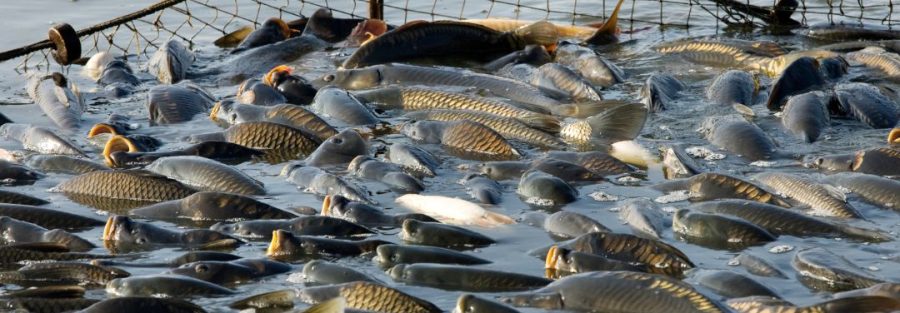
Bangladesh is one of the world’s leading aquaculture producers, with fish farming playing a vital role in food security, rural employment, and economic growth. The sector contributes significantly to the nation’s GDP and provides protein-rich food to millions. However, success in fish farming heavily depends on efficient feeding practices. Feed often accounts for 50-70% of total production costs, making the choice between floating and sinking feeds a critical decision for farmers aiming to maximize yields while minimizing waste and environmental impact.
This comprehensive guide explores the top fish feed solutions tailored for Bangladeshi conditions, explains the science behind floating and sinking pellets, and offers practical recommendations for small to large-scale operations. Whether you’re farming tilapia, carp (rohu, catla), pangasius, or shrimp in polyculture systems, understanding these options can transform your farm’s productivity.
Understanding Fish Feed Types in the Bangladeshi Context
Aquaculture in Bangladesh has evolved from traditional extensive systems using homemade feeds (rice bran, mustard oil cake) to semi-intensive and intensive commercial farming. Local manufacturers like Quality Feeds, ACI Godrej, and others produce both floating and sinking options, while imported or high-quality feeds set benchmarks for performance.
Floating feeds are produced through extrusion technology — high temperature and pressure that expands the pellets, making them buoyant. They typically contain 25-35% protein, balanced with lipids, vitamins, and minerals. Sinking feeds are made via steam pelleting at lower temperatures, resulting in denser pellets that sink quickly.
In Bangladesh’s ponds, which vary in depth, turbidity, and management intensity, the right choice depends on species, water conditions, and farm goals.
Advantages and Disadvantages of Floating Fish Feed
Floating pellets remain on the surface, offering several benefits highly relevant to Bangladeshi farmers:
- Easy Monitoring: Farmers can observe feeding response directly. This helps detect health issues early, such as reduced appetite indicating disease or poor water quality — common challenges during the monsoon or dry seasons.
- Reduced Waste: Uneaten feed stays visible, allowing adjustment of rations. Studies show floating feeds can improve Feed Conversion Ratio (FCR) to 1.2-1.8:1 compared to higher waste in sinking types.
- Better Growth and Digestion: The extrusion process gelatinizes starches, improving digestibility. Fish expend energy swimming up, promoting uniform growth. Research on Nile tilapia often shows superior weight gain with floating diets.
- Water Quality Management: Less uneaten feed sinks to the bottom, reducing organic load, ammonia, and algal blooms. This is crucial in densely stocked ponds common in Bangladesh.
- Suitability: Ideal for surface and column feeders like tilapia, rohu, and catla.
Drawbacks: Higher production cost (due to energy-intensive extrusion), potentially 10-30% more expensive than sinking feeds. Not ideal for strict bottom feeders like certain catfish or shrimp without adaptation. In very windy or large ponds, pellets may drift.
Many progressive Bangladeshi farmers report 15-25% better growth rates and lower mortality with quality floating feeds, leading to higher market-sized fish faster.
For personalized support and high-quality feed recommendations suited to your pond conditions, visit Japan Bangla BD today.
Advantages and Disadvantages of Sinking Fish Feed
Sinking pellets descend to the pond bottom or mid-water, suiting different scenarios:
- Cost-Effective: Cheaper to produce and purchase, making them accessible for resource-limited smallholders who dominate Bangladesh’s aquaculture landscape.
- Bottom Feeders: Perfect for species like pangasius, some carps, or shrimp that prefer feeding at the bottom.
- Less Affected by Surface Conditions: In turbid or deep water, or during rough weather, sinking feeds reach fish more reliably.
- Simple Production: Farm-made or small-mill sinking feeds using local ingredients (rice bran, oil cakes) are common and affordable.
Challenges: Harder to monitor consumption, leading to over- or under-feeding. Higher waste as pellets mix with mud, deteriorating water quality and increasing disease risk. Poorer FCR in many trials (often 2:1 or higher). Uneaten feed promotes anaerobic conditions at the pond bottom.
In comparative studies, including those relevant to tilapia in earthen ponds, floating feeds frequently outperform sinking ones in growth and economic returns, though sinking remains viable for cost-conscious or specific polyculture setups.
Direct Comparison: Floating vs Sinking for Bangladeshi Farms
| Aspect | Floating Feed | Sinking Feed |
|---|---|---|
| Buoyancy | Stays on surface | Sinks quickly |
| Monitoring | Excellent | Poor |
| Feed Waste | Low | Higher |
| FCR | Better (1.2-1.8) | Variable (1.8-2.5+) |
| Growth Rates | Generally higher | Lower in many species |
| Water Quality | Better (less bottom pollution) | Can degrade faster |
| Cost | Higher | Lower |
| Best For | Tilapia, carps, intensive farming | Bottom feeders, budget operations |
| Digestibility | Higher due to extrusion | Moderate |
Floating feeds excel in controlled, market-oriented farms, while sinking or mixed strategies suit traditional setups. Some farmers use a 70:30 or 50:50 mix for balanced benefits.
Top Fish Feed Solutions and Recommendations
- Premium Extruded Floating Feeds: Look for brands with high protein (28-32%), good oil coating for water stability, and probiotics. These minimize leaching and maximize nutrition.
- Species-Specific Feeds: Tilapia and carp thrive on floating; adjust for shrimp (often sinking or slow-sinking).
- Sustainable Options: Feeds using soybean meal (increasingly common post meat-and-bone meal restrictions) from quality sources improve performance.
- Farm-Made vs Commercial: Homemade is cheap but inconsistent. Commercial offers balanced nutrition and better results.
For global standards, explore innovations from Skretting, a reputed international leader in sustainable aquaculture feeds with tailored solutions for various species and conditions.
Bangladesh’s aquafeed industry is growing, with extruded floating feeds now dominating a large share due to their efficiency. International players like Tongwei and CP also influence local quality standards.
To source reliable solutions and expert guidance for your farm, contact specialists at Japan Bangla BD.
Best Practices for Feeding in Bangladesh
- Feeding Rate: Start at 3-5% of body weight for juveniles, reduce to 1-3% as fish grow. Feed 2-3 times daily.
- Timing: Morning and late afternoon; avoid midday heat.
- Quantity Control: Use floating feeds to stop when fish stop actively eating (usually 5-10 minutes).
- Pond Management: Aeration, regular water exchange, and liming complement good feeding.
- Storage: Keep feeds in cool, dry places to prevent mold — a big issue in humid climates.
- Transition: Gradually switch between types to avoid stress.
- Record Keeping: Track FCR, growth, and costs for continuous improvement.
Climate considerations: During winter (lower temperatures), fish eat less — adjust accordingly. Monsoon flooding requires secure feeding strategies.
Economic Impact and Sustainability
Switching to optimized floating feeds can reduce overall costs through better FCR despite higher unit price. Lower waste means healthier ponds, fewer chemicals, and sustainable production — aligning with Bangladesh’s goals for responsible aquaculture.
Farmers report higher profits from faster turnover and premium market fish. With rising demand for Bangladeshi fish, efficient feeding is key to competitiveness.
For advanced consultation on feed strategies and farm optimization, reach out to Japan Bangla BD.
Conclusion: Choosing What’s Right for Your Farm
There is no universal “best” feed — it depends on your species, pond type, budget, and management skills. For most commercial tilapia and carp farmers in Bangladesh, high-quality floating feeds offer superior returns through better growth, lower waste, and easier management. Sinking feeds remain practical for cost-sensitive or bottom-oriented systems, and hybrids provide flexibility.
Experiment on a small scale, monitor results, and scale what works. Invest in quality — it pays off in healthier fish and bigger harvests. As the industry advances with better formulations and local expertise, Bangladeshi farmers are well-positioned for greater success.
Ready to elevate your aquaculture operation? Connect with experts for tailored advice and quality products at Japan Bangla BD.