
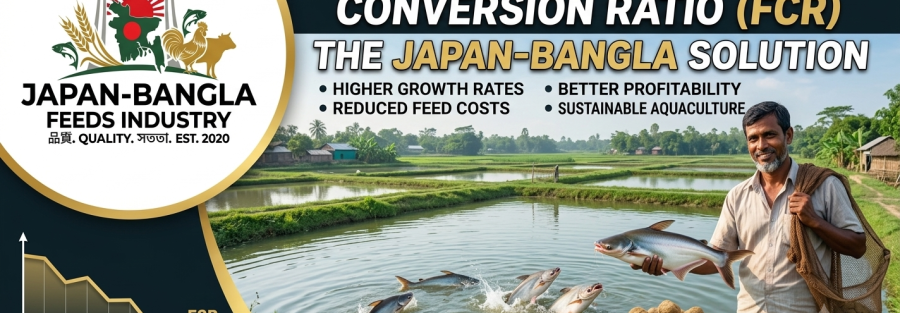
Pangasius farming has become a cornerstone of aquaculture in Bangladesh, offering farmers a reliable path to profitability through fast growth and strong market demand. One of the most critical factors determining success in this sector is the Pangasius feed conversion ratio (FCR). A lower FCR means fish convert feed into body weight more efficiently, reducing costs and increasing profits. At Japan-Bangla Feeds Ind. Ltd., we specialize in advanced nutrition solutions designed specifically to help Bangladeshi farmers achieve outstanding results in Pangasius production.
This comprehensive guide explains everything you need to know about improving Pangasius feed conversion ratio using practical, proven methods tailored to local conditions. Whether you run a small family pond or a large commercial operation, these strategies can transform your farm’s performance.
What Is Feed Conversion Ratio (FCR) in Pangasius Farming?
Feed Conversion Ratio measures how much feed is required to produce one kilogram of fish weight. For Pangasius, a good commercial FCR typically ranges between 1.5 and 2.0, though top performers achieve even lower figures around 1.2–1.5 with optimal management.
A lower FCR directly translates to lower feed costs, which often account for 60-70% of total production expenses. Poor FCR leads to wasted resources, polluted pond water, and reduced profitability. By focusing on Pangasius feed conversion ratio improvement, farmers can significantly enhance sustainability and income.
Japan-Bangla Feeds Ind. Ltd. understands these challenges deeply. Our premium sinking and floating feeds are engineered with precise nutrient balances to deliver exceptional FCR values, helping thousands of Bangladeshi farmers maximize their harvests.
Why Pangasius FCR Matters in Bangladesh
Bangladesh produces substantial volumes of Pangasius, also known locally as Pangash or Thai Pangas. This hardy, fast-growing catfish thrives in pond systems and provides affordable protein for local markets. However, many farmers still rely on homemade or low-quality feeds that result in higher FCRs, often exceeding 1.9.
Improving FCR brings multiple benefits:
- Reduced feed expenditure
- Better water quality and lower disease risk
- Faster time to market size (typically 1-1.5 kg in 6-8 months)
- Higher overall farm productivity
At Japan-Bangla Feeds Ind. Ltd., our Japanese-influenced technology combined with local expertise produces feeds that consistently outperform generic options, supporting healthier stocks and superior growth rates.
Key Factors Affecting Pangasius Feed Conversion Ratio
Several interconnected elements influence FCR. Understanding and optimizing them is essential for success.
1. Feed Quality and Formulation High-quality commercial feeds outperform farm-made options by providing balanced proteins, lipids, vitamins, and minerals. Research shows that diets with around 28-40% crude protein, combined with appropriate energy levels, yield the best FCR results.
Japan-Bangla Feeds Ind. Ltd. offers specialized sinking feeds for Pangasius, Tilapia, and Carp. Our grower and finisher pellets feature optimal protein-to-energy ratios, excellent water stability, and minimal waste. Farmers using our feeds regularly report noticeable improvements in FCR and fish health.
2. Feeding Practices and Strategies Overfeeding or poor timing wastes feed and degrades water quality. The 90% satiation method—feeding fish to about 90% of their full capacity—has proven highly effective, potentially reducing FCR to 1.2–1.4.
Best practices include:
- Feeding 2-3 times daily based on biomass (typically 2-3% of body weight)
- Observing fish response and adjusting quantities
- Using appropriate pellet sizes for different growth stages
3. Water Quality Management Pangasius are sensitive to dissolved oxygen, ammonia, and pH levels. Poor water conditions stress fish, reducing feed intake and worsening FCR. Regular aeration, partial water exchange, and probiotic use help maintain ideal environments.
4. Stocking Density and Pond Management Overcrowding increases competition and stress. Optimal densities combined with proper pond preparation support uniform growth and better feed utilization.
5. Health and Disease Prevention Healthy fish utilize feed more efficiently. Preventive measures, including quality nutrition from trusted suppliers like Japan-Bangla Feeds, strengthen immunity and reduce losses.
Proven Techniques for Pangasius Feed Conversion Ratio Improvement
Farmers can achieve significant FCR gains through targeted approaches.
Nutritional Optimization Balanced protein and lipid levels are crucial. Studies indicate that moderate protein (around 28-40%) paired with suitable lipids supports protein-sparing effects and efficient growth. Enzymes like phytase can further enhance nutrient absorption from plant-based ingredients.
Japan-Bangla Feeds Ind. Ltd. incorporates advanced formulations that maximize digestibility, leading to superior FCR performance tailored for Bangladeshi ponds.
Alternative Ingredients and Sustainability Incorporating fermented or alternative proteins can lower costs while maintaining nutrition. However, consistency is key—commercial feeds from reputable manufacturers ensure reliability.
Precision Feeding Technologies Monitoring feed intake and using data-driven adjustments help minimize waste. Many successful farms combine our feeds with careful observation for outstanding results.
Integrated Farming Systems Polyculture with carps or biofloc systems can supplement nutrition naturally, contributing to better overall FCR.
How Japan-Bangla Feeds Ind. Ltd. Supports Better FCR
As a leading feed manufacturer in Bangladesh, Japan-Bangla Feeds Ind. Ltd. stands out for its commitment to quality and farmer success. Our products feature:
- High protein content for rapid muscle development
- Excellent water stability to reduce pollution
- Stage-specific formulations (starter, grower, finisher)
- Proven track record of improved FCR and yields
Farmers across the country trust our sinking feeds for Pangasius because they deliver consistent nutrition and tangible results. By choosing Japan-Bangla, you invest in science-backed solutions designed for local success.
We don’t just sell feed—we partner with farmers through technical guidance, reliable supply chains, and ongoing support. Many users report 20-30% better growth and significantly improved feed efficiency after switching to our premium products.
Real-World Benefits and Case Insights
Implementing these strategies yields measurable outcomes. Farms using optimized commercial feeds and proper management routinely achieve lower FCR, higher survival rates (85-95%), and increased production per hectare. This translates to stronger profits even amid fluctuating input costs.
Japan-Bangla Feeds Ind. Ltd. has helped numerous operations enhance their Pangasius feed conversion ratio, contributing to the growth of Bangladesh’s aquaculture sector.
Challenges and Solutions for Bangladeshi Farmers
Common hurdles include variable water quality, feed price fluctuations, and limited technical knowledge. Solutions involve:
- Partnering with experienced suppliers
- Adopting best management practices
- Regular monitoring and record-keeping
Future of Pangasius Farming in Bangladesh
With continued focus on Pangasius feed conversion ratio improvement, the industry holds immense potential. Sustainable practices, quality nutrition, and efficient management will drive higher productivity and environmental responsibility.
Japan-Bangla Feeds Ind. Ltd. is proud to lead this progress by delivering innovative feed solutions that empower farmers and strengthen food security.