
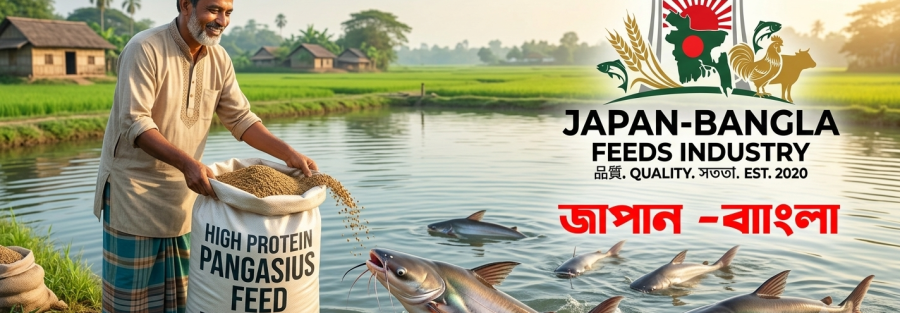
Pangasius farming has become one of the most profitable aquaculture ventures in Bangladesh. Farmers across the country rely on this fast-growing catfish species, also known as Thai pangas or sutchi catfish, to meet rising demand for affordable fish protein. However, success depends heavily on proper nutrition. High protein pangasius feed plays a crucial role in achieving fast growth, efficient feed conversion, and healthy fish stocks.
Japan-Bangla Feeds Ind. Ltd. stands out as a trusted leader in this space. With advanced Japanese-influenced technology and deep understanding of local farming conditions, the company produces specialized feeds that help pangasius reach market size quicker while maintaining excellent health. Their formulations focus on balanced, high-quality protein sources that support rapid muscle development without wasting resources.
Why Pangasius Needs High Protein Feed for Optimal Growth
Pangasius is a hardy, bottom-feeding fish known for its impressive growth rate. Under ideal conditions, it can reach 1-1.5 kg or more in 6-8 months. But this potential is only realized with the right diet. Protein is the building block for tissue growth, enzyme production, and immune function. Studies show that diets with appropriate protein levels (typically 28-40% depending on life stage) deliver the best weight gain and feed efficiency.
For juveniles and fingerlings, higher protein (around 30-35% or more) supports fast skeletal and muscle development. As fish grow, slightly lower but still substantial levels (26-32%) work well when combined with good energy sources like lipids (5-8%). Excess protein beyond optimal levels doesn’t provide extra benefits and can increase costs while stressing water quality. Japan-Bangla Feeds Ind. Ltd. carefully balances these needs in their sinking and floating pangasius feeds, using quality ingredients like soybean meal, rice bran, and limited high-quality fishmeal.
Farmers using premium high protein pangasius feed report better specific growth rates (SGR), lower feed conversion ratios (FCR around 1.5-1.8), and higher survival. This translates directly to more kilograms of fish per hectare and stronger profits.
Key Benefits of High Protein Pangasius Feed
- Accelerated Growth: Balanced amino acids from high-quality protein sources promote quicker weight gain. Fish fed properly formulated feeds often outperform those on basic farm-made mixes.
- Improved Feed Efficiency: Good FCR means less feed is wasted. Japan-Bangla’s pellets are water-stable, reducing pollution and ensuring fish consume more nutrients.
- Better Health and Immunity: Added vitamins, minerals, and essential fatty acids strengthen disease resistance. Healthier fish mean lower mortality and veterinary costs.
- Superior Meat Quality: Proper nutrition leads to firmer fillets with good texture, appealing to both local and export markets.
- Environmental Sustainability: Efficient feeds minimize uneaten particles, keeping ponds cleaner and supporting long-term farming.
Japan-Bangla Feeds Ind. Ltd. designs its products with these outcomes in mind. Their sinking feeds are particularly effective for pangasius, which prefer bottom feeding. Pellets sink quickly, stay intact longer, and deliver consistent nutrition.
Japan-Bangla Feeds Ind. Ltd.: Your Partner for Pangasius Success
Established with a vision to elevate Bangladesh’s aquaculture, Japan-Bangla Feeds Ind. Ltd. combines precision Japanese technology with local expertise. Their modern facilities in Gazipur produce feeds under strict quality control, ensuring every batch meets high standards.
The company’s pangasius-specific lines include starter, grower, and finisher options in various pellet sizes. These are formulated for different growth stages, with high protein content optimized for fast growth. Farmers appreciate the reliability, competitive pricing, and noticeable results in their ponds.
Many users report uniform fish sizes at harvest, which makes marketing easier. The company also provides guidance on feeding rates, pond management, and best practices, helping both new and experienced farmers maximize returns.