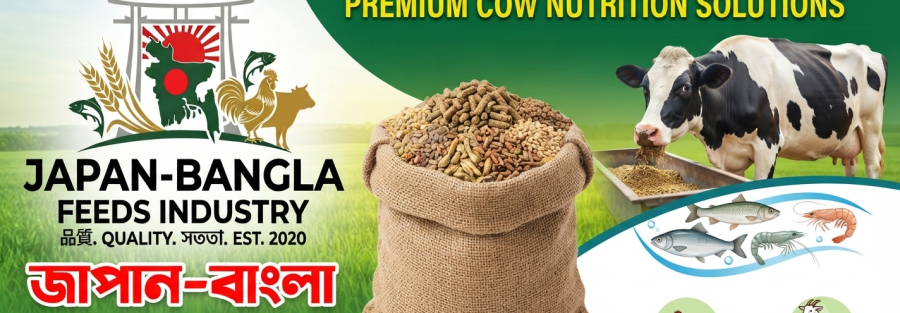
In Bangladesh, dairy farming plays a vital role in supporting rural families and meeting the growing demand for milk and meat. With a large population relying on cattle for livelihood, proper cow nutrition feed Bangladesh has become more important than ever. Farmers face challenges like low milk yield, poor animal health, and rising feed costs. This is where quality commercial feeds make a real difference. Japan-Bangla Feeds Ind. Ltd. stands out as a trusted leader, providing advanced nutrition solutions designed specifically for local conditions.
Why Cow Nutrition Matters in Bangladesh
Cows in Bangladesh often depend on rice straw and limited green fodder, which lack essential nutrients. This leads to slower growth, lower milk production, and higher disease risk. Balanced cow nutrition feed Bangladesh supplies the right mix of energy, protein, vitamins, and minerals that natural forage alone cannot provide.
A well-fed cow can produce significantly more milk while staying healthier. Good nutrition supports digestion, immunity, reproduction, and overall body condition. For smallholder farmers, this means better income from selling milk and healthier calves. Japan-Bangla Feeds Ind. Ltd. understands these local realities and crafts feeds that address them directly.
Key Components of Effective Cow Nutrition Feed
Quality cattle feed includes several important elements:
- Energy Sources: Grains and by-products provide the calories cows need for milk production and daily activities.
- Protein: Essential for muscle growth, milk synthesis, and calf development. Sources like soybean meal or other plant proteins are common in premium feeds.
- Fibers: Help maintain healthy rumen function for proper digestion.
- Vitamins and Minerals: Calcium, phosphorus, and vitamins support bone health, milk quality, and immunity.
- Additives: Improve feed palatability and prevent issues like acidosis.
Japan-Bangla Feeds Ind. Ltd. uses high-quality raw materials and Japanese-inspired precision manufacturing to create balanced formulations. Their cattle feed is rich in energy and protein, helping dairy cows increase milk yield and supporting fattening for better meat production.
Farmers report noticeable improvements after switching to such specialized feeds. Cows show better body condition, consistent milk output, and fewer health problems. This reliability makes commercial cow nutrition feed Bangladesh a smart investment.
Challenges Faced by Dairy Farmers in Bangladesh
Many farmers struggle with seasonal fodder shortages, especially during dry months. Rice straw is abundant but low in nutrition. Without supplements, cows cannot reach their genetic potential. Poor nutrition also affects reproduction, leading to longer calving intervals and economic losses.
Additionally, homemade concentrates can be inconsistent in quality. This is why many turn to established manufacturers like Japan-Bangla Feeds Ind. Ltd. Their products undergo strict quality checks, ensuring every bag delivers consistent nutrition. The company’s modern factories in Gazipur maintain high standards, blending local needs with international expertise.
How Japan-Bangla Feeds Ind. Ltd. Supports Farmers
Established in 2020, Japan-Bangla Feeds Ind. Ltd. has quickly become a preferred name in the industry. They combine Japanese technology with Bangladeshi agricultural knowledge to produce superior feeds for poultry, fish, and cattle.
Their cattle feed stands out for several reasons:
- Higher Milk Yield: The balanced energy-protein mix helps lactating cows produce more milk without compromising health.
- Improved Growth: Suitable for both dairy and beef cattle, promoting healthy weight gain.
- Better Health: Enhanced immunity reduces veterinary costs and mortality.
- Ease of Use: Pelleted or mash forms that cows readily consume.
- Value for Money: Efficient feed conversion means farmers get more output per kilogram of feed.
The company also supports farmers through technical advice, dealer networks, and reliable supply chains across the country. Whether you run a small family farm or a larger operation, Japan-Bangla Feeds Ind. Ltd. offers solutions that fit your needs. For personalized support, visit their contact page: Get in Touch with Japan-Bangla Feeds.
Practical Feeding Tips for Better Results
To maximize benefits from quality cow nutrition feed Bangladesh, follow these simple practices:
- Provide clean, fresh water at all times. Hydration is crucial for digestion and milk production.
- Combine commercial feed with available green fodder and straw. A balanced ration typically includes 2-4 kg of concentrate per 10 liters of milk, depending on the cow’s breed and stage.
- Feed according to lactation stage. Dry cows, pregnant animals, and high-yielding cows have different needs.
- Monitor body condition score. Aim for a healthy weight without excess fat.
- Store feed properly in a cool, dry place to maintain freshness.
Japan-Bangla Feeds experts recommend consulting their team for custom ration advice tailored to your herd. Many farmers have doubled their productivity after adopting these methods.
Impact on Bangladesh’s Dairy Sector
The dairy industry contributes significantly to the national economy and nutrition security. With rising demand for milk, improving productivity per cow is more efficient than increasing herd size. Quality feeds from companies like Japan-Bangla Feeds Ind. Ltd. help achieve this by enabling higher yields from existing animals.
This leads to higher farmer incomes, better rural employment, and more affordable dairy products for consumers. The company’s focus on sustainability and quality positions it as a key partner in Bangladesh’s agricultural growth.
Success Stories from Farmers
Farmers using Japan-Bangla cattle feed often share positive experiences. One dairy farmer in Gazipur noted a 20-30% increase in daily milk production after a few weeks. Another mentioned healthier calves and reduced feed waste. These real-world results highlight the effectiveness of scientifically formulated cow nutrition feed Bangladesh.
The company’s dealer network makes products easily accessible nationwide. Their commitment to farmer success goes beyond selling feed – they build long-term partnerships for mutual growth.
Future of Cow Nutrition in Bangladesh
As climate challenges and population growth continue, advanced nutrition will become even more critical. Japan-Bangla Feeds Ind. Ltd. invests in research to develop feeds that perform well under local conditions. Their Japanese technology edge ensures precision and consistency that farmers can trust.
By choosing reliable partners, Bangladeshi farmers can overcome traditional limitations and build thriving dairy businesses.
Choosing the Right Feed Partner
When selecting cow nutrition feed Bangladesh, look for companies with proven quality, technical support, and a focus on farmer success. Japan-Bangla Feeds Ind. Ltd. ticks all these boxes with their modern facilities, expert formulations, and dedication to excellence.
Ready to transform your dairy farm? Connect with the team today: Contact Japan-Bangla Feeds Ind. Ltd. and explore their range of cattle feeds.
For more insights into global best practices in dairy nutrition, check resources from leading international organizations. Learn about advanced feeding strategies from the National Academies of Sciences (USA): National Academies Press – Nutrient Requirements of Dairy Cattle. Another excellent reference is from Cornell University’s veterinary resources: Cornell Vet – Basic Nutrition for Dairy Cattle.
Conclusion
Investing in proper cow nutrition feed Bangladesh is one of the smartest decisions for dairy farmers. Japan-Bangla Feeds Ind. Ltd. delivers premium, reliable solutions that help cows thrive and farms succeed. Their cattle feeds are designed to increase milk production, enhance health, and support sustainable growth in Bangladesh’s dairy sector.