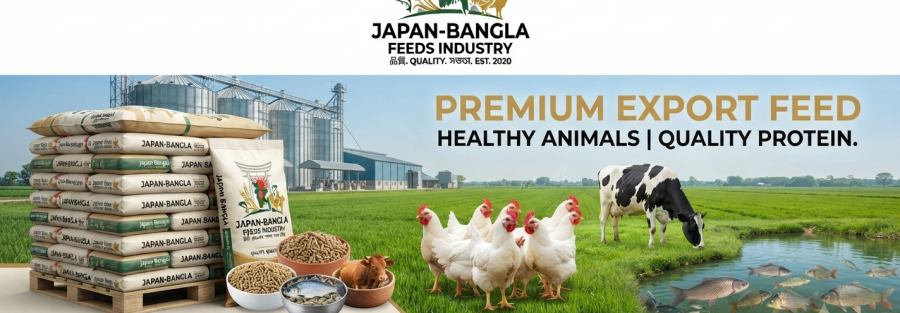
Bangladesh’s agriculture sector thrives on strong support systems, especially for livestock and aquaculture. Among many players, Japan-Bangla Feeds Ind. Ltd. stands out as a trusted feed export company Bangladesh. Established in 2020, this company blends Japanese precision engineering with local farming needs to produce superior animal nutrition solutions.
Farmers across the country face challenges like disease, slow growth, and high feed costs. Japan-Bangla Feeds Ind. Ltd. addresses these issues head-on. With factories in Gazipur, the company focuses on poultry, fish, and cattle feeds that deliver consistent results. Their commitment to quality has made them a preferred partner for thousands of farmers and dealers nationwide.
The Journey of Japan-Bangla Feeds Ind. Ltd.
Japan-Bangla Feeds Ind. Ltd. (JBFI) began operations on January 12, 2020. From the start, the founders aimed to raise industry standards. They combined advanced Japanese manufacturing techniques with Bangladesh’s rich agricultural resources. This “Success through Synergy” approach sets them apart in the competitive feed market.
Headquartered in Dhaka with production units in Gazipur (Hatimara, Kashimpur and Bagerbazar), the company maintains strict quality control. Every batch undergoes laboratory testing. Premium raw materials ensure balanced nutrition tailored to local breeds and conditions. This dedication helps farmers achieve better Feed Conversion Ratios (FCR), lower mortality, and higher yields.
As a forward-thinking feed export company Bangladesh, Japan-Bangla Feeds invests continuously in research and development. They adapt formulas to changing climate patterns and emerging farm challenges. Their vision extends beyond production to support rural economic growth and sustainable protein supply chains.
Why Quality Feed Matters in Bangladesh
Bangladesh ranks among the world’s top aquaculture and poultry producers. Fish farming and poultry rearing provide essential protein and income for millions. However, poor nutrition often limits productivity. High-quality feed directly impacts animal health, growth speed, and farm profitability.
Japan-Bangla Feeds Ind. Ltd. understands these dynamics. Their products minimize waste and maximize output. For example, floating and sinking fish feeds maintain water stability, reducing pond pollution while delivering essential amino acids. Poultry feeds support strong immunity and rapid weight gain. Cattle feeds boost milk production and healthy weight gain.
Farmers report noticeable improvements after switching to JBFI feeds: healthier animals, faster growth cycles, and increased earnings. This real-world success makes Japan-Bangla Feeds a reliable name in the industry.
Product Range: Tailored Solutions for Every Farm
Japan-Bangla Feeds offers a complete lineup designed for different species and growth stages:
Poultry Feed: Broiler, layer, and Sonali birds benefit from balanced formulas rich in protein and vitamins. These feeds promote gut health, strong bones, and excellent egg production. Farmers see higher survival rates and better market weights.
Fish Feed: As a leading fish feed manufacturer in Bangladesh, the company produces high-quality options for species like Pangasius and others. Feeds come in floating and sinking varieties with optimal water stability. They support lean muscle growth and maintain clean pond environments.
Cattle Feed: Dairy and beef farmers enjoy energy-rich blends that increase milk yield and support healthy muscle development. These feeds help animals thrive even in varying seasonal conditions.
All products emphasize safety, consistency, and performance. The company sources ingredients carefully and follows international-level quality protocols inspired by Japanese standards.
Japanese Technology Meets Bangladeshi Expertise
What truly distinguishes Japan-Bangla Feeds Ind. Ltd. is the integration of Japanese feed technology. Japan leads globally in precision agriculture and quality control. JBFI brings these benefits to Bangladesh through automated production lines and rigorous testing.
This technology results in:
- Consistent nutrient levels in every pellet
- Better digestibility and absorption
- Reduced contamination risks
- Improved overall farm efficiency
Farmers gain a competitive edge through science-backed nutrition. The company also provides technical support, including veterinary advice and on-farm guidance, creating a true partnership beyond just selling feed.
Serving Farmers and Building Partnerships
Japan-Bangla Feeds serves small-scale farmers and large commercial operations alike. They have built a strong network of authorized dealers and depots across Bangladesh. This ensures timely delivery even to remote areas.
The company actively invites new dealers and depot partners. Their business model focuses on mutual growth with transparent practices, reliable supply, and marketing support. Many partners report strong profits and long-term stability working with JBFI.
For individual farmers, the focus remains on practical results. Whether operating a backyard pond or a modern poultry farm, users benefit from expert-recommended feeds and ongoing assistance.
Interested in partnering with a trusted feed expert? Contact Japan-Bangla Feeds Ind. Ltd. today to explore opportunities.
Contribution to Bangladesh’s Economy and Sustainability
As a prominent feed export company Bangladesh, Japan-Bangla Feeds plays an important role in national development. By enhancing livestock and aquaculture productivity, they help increase food security and rural incomes. Healthy animals mean more protein for families and stronger export potential for Bangladeshi products.
The company emphasizes sustainability. Efficient feeds reduce resource waste. Better FCR means less feed needed for the same output, lowering environmental impact. Their modern facilities follow responsible manufacturing practices that protect local ecosystems.
Looking ahead, Japan-Bangla Feeds plans further expansion and innovation. They aim to reach more farmers and explore international markets while maintaining the highest standards.
Challenges and Opportunities in the Feed Sector
The animal feed industry in Bangladesh faces raw material price fluctuations, climate impacts, and quality consistency issues. Japan-Bangla Feeds counters these through careful sourcing, advanced formulations, and strong supply chain management.
Their Japanese-inspired quality systems provide resilience. Farmers gain confidence knowing they receive tested, reliable products. This stability proves especially valuable during difficult seasons.
Many success stories highlight how JBFI feeds helped farms recover and thrive. From small Pangasius ponds to large broiler operations, the results speak for themselves.
Global Context and Best Practices
International leaders like those in Japan and Europe set high benchmarks for animal nutrition. Companies such as FEED ONE Co., Ltd. (Japan) demonstrate excellence in aquaculture feed technology.
Japan-Bangla Feeds adapts similar principles locally. They study global advancements while addressing Bangladesh-specific needs. This approach positions them well for future growth, including potential exports.
Another example of international excellence comes from International Feed, known for quality ingredients and global supply.
These connections highlight the importance of high standards — something Japan-Bangla Feeds Ind. Ltd. prioritizes every day.
Why Choose Japan-Bangla Feeds Ind. Ltd.?
- Proven Quality: Japanese technology combined with local expertise
- Wide Product Range: Solutions for poultry, fish, and cattle
- Strong Support: Technical guidance and reliable distribution
- Farmer-Focused: Real results that boost income and productivity
- Growth-Oriented: Opportunities for dealers and long-term partnerships
Thousands of successful farmers already trust JBFI. Their story continues to grow as more people discover the benefits of premium nutrition.