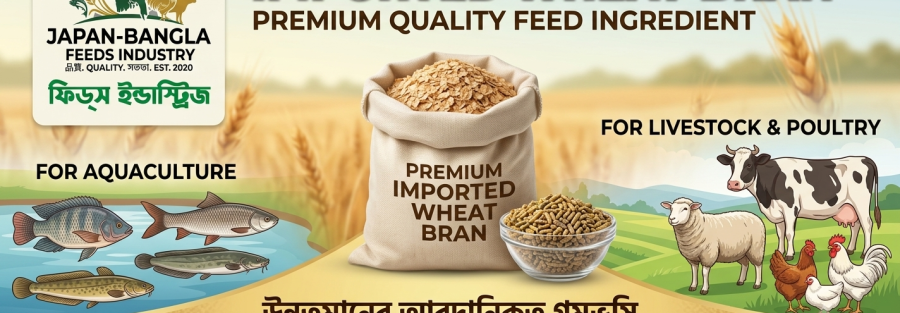
Wheat bran is a valuable byproduct of wheat milling. It serves as a key ingredient in animal feed across Bangladesh. As the demand for high-quality livestock nutrition grows, many farms turn to imported wheat bran Bangladesh for reliable supply and consistent quality. Japan-Bangla Feeds Ind. Ltd. stands at the forefront of this sector, delivering superior feed solutions that incorporate premium imported wheat bran to support poultry, cattle, and fish farmers nationwide.
Bangladesh’s livestock industry plays a vital role in the economy. With rising populations and increasing protein needs, farmers seek cost-effective yet nutritious feed options. Local wheat production falls short of demand, making imports essential. Imported wheat bran fills this gap effectively, providing essential fiber, protein, and minerals that enhance animal health and productivity.
What Makes Wheat Bran So Important?
Wheat bran comes from the outer layers of the wheat grain. It is rich in dietary fiber, moderate protein (around 14-19%), and key minerals like phosphorus. This makes it ideal for animal diets. In poultry, it supports digestion and gut health. For cattle, it acts as a natural laxative and provides fermentable fiber for better rumen function. Fish farmers also benefit from its nutritional profile in aquafeed formulations.
Unlike some local alternatives, imported varieties often meet stricter quality standards. They offer lower contamination risks and better nutrient consistency. This reliability helps farms achieve higher growth rates, better milk yields, and improved egg production.
The Growing Demand for Imported Wheat Bran in Bangladesh
Bangladesh imports significant amounts of wheat and its byproducts to meet domestic needs. The animal feed sector drives much of this demand. Market reports show steady growth in the wheat bran segment, fueled by expanding poultry and dairy operations. Farmers prefer imported options when local supplies vary in quality or availability.
Challenges like fluctuating local production and quality concerns push importers toward trusted global sources. India remains a major supplier, but quality-focused companies explore options from other regions for premium grades. Japan-Bangla Feeds Ind. Ltd. carefully selects imported wheat bran to ensure it meets international standards, benefiting Bangladeshi farmers with superior feed performance.
Why Choose Japan-Bangla Feeds Ind. Ltd. for Your Feed Needs?
Japan-Bangla Feeds Ind. Ltd. is a leading name in Bangladesh’s feed industry. Established to elevate farming standards, the company combines local expertise with global best practices. They focus on high-quality animal nutrition for poultry, fish, and cattle.
At the heart of their success is the strategic use of imported wheat bran Bangladesh. This ingredient enhances their complete feed lines, delivering balanced nutrition tailored to different life stages of animals. Whether you run a small family farm or a large commercial operation, their products help optimize performance while controlling costs.
The company’s research and development team works with international experts to formulate feeds that maximize the benefits of imported wheat bran. Farmers report noticeable improvements in animal weight gain, feed conversion ratios, and overall health. By prioritizing quality imports, Japan-Bangla Feeds Ind. Ltd. helps reduce reliance on inconsistent local sources and supports sustainable farming practices.
Nutritional Benefits of Imported Wheat Bran
Imported wheat bran offers several advantages:
- High Fiber Content: Promotes healthy digestion and prevents issues like constipation in livestock.
- Protein and Energy: Supports muscle growth and milk production in dairy animals.
- Minerals and Vitamins: Provides phosphorus, B vitamins, and other essentials for strong bones and immunity.
- Cost-Effectiveness: A budget-friendly way to add bulk and nutrition to feed mixes.
Studies highlight its role in improving gut microbiota and nutrient absorption. In poultry diets, moderate inclusion levels enhance performance without compromising energy density. For ruminants, it serves as an excellent fiber source that complements other ingredients.
Japan-Bangla Feeds Ind. Ltd. ensures their imported wheat bran undergoes rigorous testing. This commitment to quality sets them apart and builds trust among farmers across the country.
How Japan-Bangla Feeds Integrates Imported Wheat Bran
The company sources premium imported wheat bran and blends it into specialized feeds. Their product range includes poultry starter, grower, and layer feeds; cattle concentrates; and fish pellets. Each formulation leverages the natural properties of wheat bran for optimal results.
Farmers partnering with Japan-Bangla Feeds Ind. Ltd. enjoy consistent supply, technical support, and expert advice on feed management. This holistic approach helps maximize returns on investment in livestock farming.
For personalized guidance or to discuss bulk requirements, contact Japan-Bangla Feeds Ind. Ltd. today.
Market Trends and Future Outlook
The Bangladesh wheat bran market is projected to grow steadily. Increasing health awareness, government support for agriculture, and rising meat and dairy consumption drive this trend. Imports help stabilize supply and introduce higher standards.
Japan-Bangla Feeds Ind. Ltd. positions itself as a reliable partner in this evolving landscape. By focusing on imported wheat bran of superior quality, they contribute to the industry’s growth and help farmers compete effectively.
Challenges such as price fluctuations and logistics exist, but strong companies like Japan-Bangla mitigate these through strategic sourcing and efficient operations. Their emphasis on quality ensures farmers receive value that translates into healthier animals and better profits.
Best Practices for Using Wheat Bran in Animal Feed
- Start with recommended inclusion levels (typically 10-30% depending on species and age).
- Balance with other energy and protein sources for complete nutrition.
- Store in cool, dry conditions to maintain freshness.
- Monitor animal response and adjust as needed.
Consulting with experts from Japan-Bangla Feeds Ind. Ltd. ensures you get the most from imported wheat bran in your specific setup.
Global Suppliers and Quality Assurance
Japan-Bangla Feeds Ind. Ltd. draws from reputable international sources. For example, they align with standards set by leading global agribusinesses like Bunge, known for high-quality wheat bran solutions in animal nutrition.
Another trusted name in the international market is American International Foods, offering premium wheat bran for feed applications (explore at americaninternationalfoods.com).
These connections help Japan-Bangla maintain excellence in every batch of imported wheat bran Bangladesh.
Success Stories from Bangladeshi Farmers
Many farmers using Japan-Bangla feeds report higher productivity. Poultry farmers note better egg quality and faster growth. Dairy operators see improved milk yields, while fish culturists achieve healthier stocks. The consistent performance of feeds containing imported wheat bran makes a real difference on the ground.
Conclusion: Partner with Japan-Bangla Feeds Ind. Ltd.
Imported wheat bran Bangladesh plays a crucial role in modern animal farming. Japan-Bangla Feeds Ind. Ltd. excels at harnessing its potential to create top-tier feeds that drive success for farmers. Their dedication to quality, innovation, and farmer support makes them the preferred choice.
Ready to elevate your farming operation? Reach out to Japan-Bangla Feeds Ind. Ltd. for premium feed solutions featuring the best imported wheat bran.