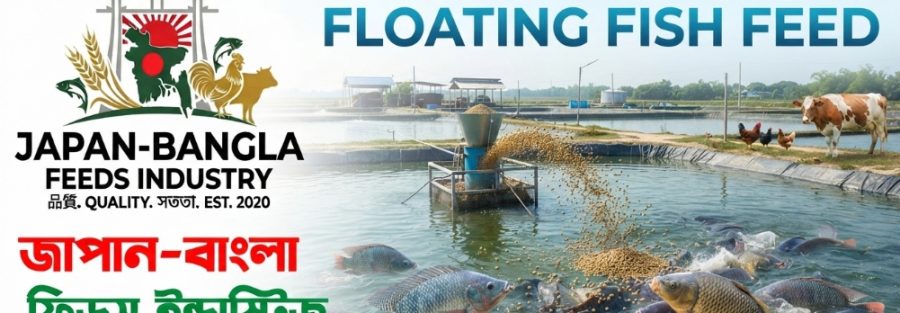
Bangladesh, known as a land of rivers, ponds, and vibrant fisheries, relies heavily on fish farming to meet the growing demand for protein. As aquaculture expands rapidly, floating fish feed Bangladesh has become a game-changer for farmers seeking efficiency and better yields. Among the leading providers, Japan-Bangla Feeds Ind. Ltd. stands out for its commitment to quality nutrition tailored to local conditions.
This article explores everything about floating fish feed in Bangladesh, its advantages, and why Japan-Bangla Feeds Ind. Ltd. is the trusted partner for progressive fish farmers.
Understanding Floating Fish Feed and Its Rise in Bangladesh
Floating fish feed consists of specially extruded pellets that stay on the water surface for an extended period. Unlike traditional sinking feeds, these pellets allow farmers to observe fish feeding behavior directly. In Bangladesh, where pond-based farming dominates, this visibility is crucial for managing resources effectively.
The aquaculture sector in Bangladesh has seen remarkable growth. Fish feed production has increased significantly, with floating feeds gaining popularity due to lower feed conversion ratios (FCR). Farmers report better growth rates and reduced waste when using high-quality floating options. Japan-Bangla Feeds Ind. Ltd., established with a vision to revolutionize the fisheries sector, produces advanced floating and sinking feeds that meet international standards while addressing local needs.
The company focuses on formulating feeds rich in essential amino acids, proteins, vitamins, and minerals. Their products support lean muscle growth in species like tilapia, pangas, carp, and shrimp, helping farmers achieve higher productivity without polluting water bodies.
Key Benefits of Using Floating Fish Feed in Bangladesh
Farmers switching to floating fish feed Bangladesh experience multiple advantages:
- Better Feeding Management: Pellets float, enabling real-time observation of fish appetite. Farmers can adjust quantities to avoid overfeeding or underfeeding, leading to optimal growth and cost savings.
- Reduced Feed Waste and Water Pollution: Uneaten sinking feed often settles at the bottom, degrading water quality. Floating pellets from Japan-Bangla Feeds Ind. Ltd. remain stable on the surface, minimizing waste and maintaining cleaner ponds. This supports healthier fish and sustainable farming practices.
- Improved Feed Conversion Ratio (FCR): Studies show floating feeds often achieve FCR around 1.5 for tilapia compared to higher ratios for sinking feeds. This means more fish biomass per kilogram of feed, directly boosting profits.
- Enhanced Nutrient Absorption: The extrusion process used in manufacturing gelatinizes starches and improves digestibility. Fish absorb nutrients more efficiently, leading to faster growth and stronger immunity.
- Ease of Monitoring Health: Visible feeding helps farmers spot signs of disease or stress early. Healthy fish from quality nutrition translate to better market value.
Japan-Bangla Feeds Ind. Ltd. emphasizes water-stable formulations that prevent nutrient leaching. Their floating fish feed Bangladesh range is designed for different growth stages – starter, grower, and finisher – ensuring balanced nutrition throughout the lifecycle.
Why Choose Japan-Bangla Feeds Ind. Ltd. for Your Fish Farming Needs?
Japan-Bangla Feeds Ind. Ltd. (JBFI) is more than a feed manufacturer; it is a partner in rural economic growth. Since its inception, the company has introduced high standards of nutrition previously unseen in the local market. Their modern facilities in Gazipur produce consistent, high-quality feeds using advanced technology and carefully selected ingredients.
Key highlights of their floating fish feed offerings:
- Species-Specific Formulations: Tailored for common Bangladeshi aquaculture species.
- High Palatability: Fish consume feeds eagerly, reducing stress.
- Environmental Responsibility: Low-pollution formulas help maintain pond ecosystems.
- Affordable Excellence: Competitive pricing makes premium nutrition accessible to small and large farmers alike.
- Technical Support: The company provides guidance on feeding practices, pond management, and best aquaculture techniques.
Many farmers across Bangladesh report significant improvements in harvest sizes and reduced mortality rates after adopting Japan-Bangla feeds. The company’s dedication to quality control ensures every batch meets rigorous standards, giving farmers peace of mind.
For personalized advice or to explore their full product range, contact Japan-Bangla Feeds Ind. Ltd. today.
How to Use Floating Fish Feed Effectively in Bangladesh Ponds
Successful fish farming requires more than just good feed. Here are practical tips:
- Feeding Frequency and Amount: Feed 2-3 times daily based on fish size and water temperature. Start with 3-5% of body weight for juveniles and adjust as they grow.
- Observation is Key: Scatter pellets evenly and watch consumption. Remove uneaten feed after 10-15 minutes.
- Water Quality Management: Combine floating feed with proper aeration and regular water exchange for best results.
- Storage: Keep feeds in cool, dry places to maintain freshness and nutritional value.
Japan-Bangla Feeds Ind. Ltd. experts recommend integrating their products into a comprehensive farm management plan. Their team offers on-site support to help farmers maximize returns.
The Role of Quality Feed in Sustainable Aquaculture
Bangladesh aims to increase fish production to meet domestic and export demands. High-quality floating fish feed Bangladesh plays a vital role in this by improving efficiency and reducing environmental impact. Japan-Bangla Feeds Ind. Ltd. contributes by promoting responsible farming practices that align with global sustainability goals.
Farmers using their products often achieve better economic outcomes, supporting livelihoods in rural communities. The company also invests in research to develop even more efficient formulations for the future.
Comparing Floating vs. Sinking Feeds: What Bangladeshi Farmers Should Know
While sinking feeds remain common, the shift toward floating options is accelerating. Floating feeds may cost slightly more per kilogram but deliver superior value through better FCR and lower overall usage. Japan-Bangla Feeds Ind. Ltd. offers both types, allowing farmers to choose based on their specific pond conditions and species.
Many successful operations combine both for optimal results, using floating feeds primarily for monitoring and nutrition.
Real Success Stories from Bangladesh Fish Farmers
Across regions like Gazipur, Mymensingh, and Comilla, farmers partnering with Japan-Bangla Feeds Ind. Ltd. share positive experiences. Increased average fish weights, healthier stocks, and higher market prices are common outcomes. One pond owner noted a 20-30% improvement in yields after switching to their floating feeds.
These stories highlight how quality nutrition directly impacts profitability and sustainability.
Future of Floating Fish Feed in Bangladesh
With rising demand and technological advancements, the floating fish feed sector is poised for further growth. Japan-Bangla Feeds Ind. Ltd. continues to innovate, focusing on locally sourced ingredients and advanced extrusion techniques to keep feeds affordable and effective.
Farmers investing in premium feeds today will benefit from long-term gains in productivity and resilience against challenges like climate variability.
International Insights and Best Practices
Global leaders like Skretting, a major aquaculture feed innovator, emphasize nutrition tailored to species needs and sustainability. Similarly, Cargill Aquaculture highlights the importance of balanced formulations and responsible sourcing. Japan-Bangla Feeds Ind. Ltd. draws inspiration from such international standards while adapting them perfectly to Bangladeshi conditions.
Conclusion: Partner with Japan-Bangla Feeds Ind. Ltd. for Success
Floating fish feed Bangladesh represents the future of efficient, profitable, and eco-friendly fish farming. Japan-Bangla Feeds Ind. Ltd. delivers reliable, high-performance products that empower farmers to achieve their goals. Whether you manage a small family pond or a large commercial operation, their floating fish feed solutions can make a significant difference.