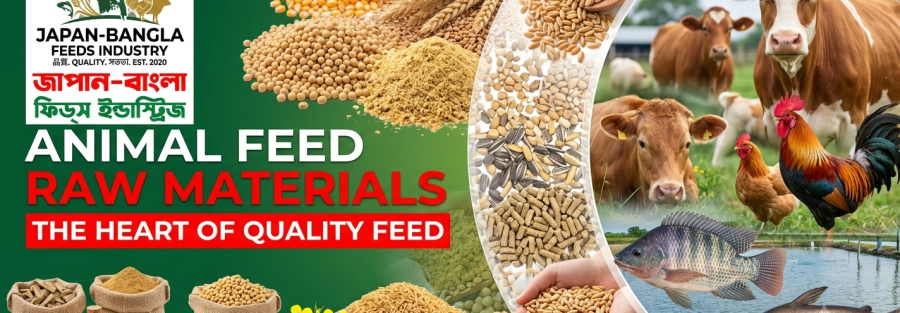
Bangladesh’s livestock sector is growing fast. Farmers need consistent, nutritious feed to raise healthy poultry, fish, and cattle. At the heart of this success are animal feed raw materials Bangladesh relies on. Japan-Bangla Feeds Ind. Ltd. stands out as a trusted leader, blending local resources with international standards to produce top-quality feeds.
This article explores the key raw materials used in animal feed production in Bangladesh. It highlights challenges, opportunities, and how Japan-Bangla Feeds Ind. Ltd. ensures excellence for farmers across the country.
The Importance of Quality Raw Materials in Animal Feed
Animal feed provides essential proteins, energy, vitamins, and minerals for growth, milk production, egg laying, and overall health. In Bangladesh, the feed industry supports millions of small and large farms. Poor-quality ingredients can lead to slow growth, higher disease rates, and financial losses.
Japan-Bangla Feeds Ind. Ltd. understands this well. Established in 2020, the company combines Japanese precision engineering with Bangladeshi agricultural know-how. Their modern factories in Gazipur use advanced technology to turn raw materials into balanced feeds for poultry, fish, and cattle.
By focusing on premium animal feed raw materials Bangladesh, Japan-Bangla helps farmers achieve better Feed Conversion Ratios (FCR). Animals convert feed into body weight or products more efficiently, reducing costs and increasing profits.
Major Raw Materials Used in Bangladesh’s Animal Feed Industry
Several key ingredients form the foundation of most feeds:
1. Maize (Corn): This is the primary energy source, making up around 50% of many formulations. Bangladesh produces a good portion locally, especially in regions like Dinajpur, Jamalpur, and Chuadanga. However, imports supplement supply during shortages. Maize provides carbohydrates and helps in pellet formation.
2. Soybean Meal: A top protein source (about 25-30% in mixes), soybean meal is rich in amino acids. Local production covers only a fraction of demand, so most is imported. Japan-Bangla Feeds Ind. Ltd. carefully selects high-protein soybean meal to ensure optimal nutrition and digestibility.
3. Other Grains and By-Products: Rice bran, wheat bran, broken rice, and rapeseed meal add variety and extra nutrients. These local by-products help control costs while maintaining quality.
4. Protein Sources from Animals: Fish meal and meat and bone meal provide high-quality animal proteins, especially important for fish and poultry feeds.
5. Additives and Supplements: Vitamins, minerals, limestone, oils, and enzymes enhance health and performance. Japan-Bangla uses strict quality checks on these to avoid contaminants.
The company sources raw materials thoughtfully, combining local supplies with tested imports. This approach supports local farmers while maintaining consistent standards.
Challenges in Sourcing Animal Feed Raw Materials in Bangladesh
Bangladesh faces several hurdles in the raw materials supply chain:
- Import Dependence: A large share of soybean meal and some maize comes from abroad. Price fluctuations due to global markets or shipping issues can raise costs.
- Seasonal Availability: Local maize harvests are concentrated in certain months, leading to supply gaps.
- Quality Variations: Not all suppliers meet high standards. Contaminants or low nutritional value can affect final feed performance.
- Logistics and Storage: Proper warehousing and transportation are crucial to prevent spoilage in humid climates.
Japan-Bangla Feeds Ind. Ltd. tackles these issues head-on. Their team works with reliable local collectors and international partners. Rigorous lab testing at every stage ensures only the best animal feed raw materials Bangladesh enters production. This commitment builds trust among farmers and dealers.
How Japan-Bangla Feeds Ind. Ltd. Stands Out
Japan-Bangla Feeds Ind. Ltd. is more than a feed manufacturer — it is a partner for rural growth. With factories in Gazipur and a strong distribution network, the company serves farmers nationwide.
Key strengths include:
- Japanese Technology: Automated processes ensure precise mixing and pellet quality. This results in feeds that improve immunity and reduce mortality.
- Diverse Product Range: Poultry feeds for broilers, layers, and Sonali birds; floating and sinking fish feeds; and cattle feeds for dairy and fattening.
- Farmer Support: Technical advice, farm visits, and training help users get the most from their feeds.
- Quality Assurance: Every batch undergoes testing for nutrition and safety.
Farmers using Japan-Bangla products often report faster growth, higher milk yields, and better egg production. The company’s focus on sustainability also encourages efficient use of resources.
For farmers or dealers looking to partner, visit the contact page to connect with the team.
Sustainable Practices and Future Outlook
The industry is moving toward more sustainable sourcing. Japan-Bangla Feeds Ind. Ltd. supports local agriculture by buying from Bangladeshi growers whenever possible. This reduces carbon footprints and boosts rural economies.
Future trends include greater use of alternative proteins, better storage solutions, and digital supply chain tracking. The company continues investing in research to adapt feeds to local conditions and climate challenges.
Government support through policies and the Feed Industries Association Bangladesh (FIAB) helps the sector grow. With rising demand for meat, eggs, and fish, high-quality animal feed raw materials Bangladesh will remain vital.
Tips for Farmers: Choosing the Right Feed and Raw Materials
- Always check labels for nutritional guarantees.
- Buy from reputable companies like Japan-Bangla Feeds Ind. Ltd. that test ingredients thoroughly.
- Store feed in cool, dry places to maintain freshness.
- Monitor animal performance and adjust as needed with expert guidance.
- Consider complete feeds over mixing your own for consistency.
Dealers and depot owners can build profitable businesses by partnering with established names. Japan-Bangla offers transparent models and marketing support.
To explore partnership opportunities, reach out via the official contact form.
Global Insights: Learning from International Suppliers
Bangladesh can learn from global leaders in feed ingredients. Companies like Cargill provide reliable, high-standard raw materials and technical expertise worldwide. Visit Cargill’s animal nutrition page for more on best practices (suggested outbound link 1).
Another strong player is Archer Daniels Midland (ADM), known for quality soybean products and supply chain innovation. Explore ADM’s feed solutions (suggested outbound link 2).
Japan-Bangla Feeds draws inspiration from such global standards while tailoring solutions to Bangladesh’s needs.
Why Choose Japan-Bangla Feeds Ind. Ltd. for Your Farm or Business?
- Consistent supply of premium animal feed raw materials Bangladesh.
- Japanese precision for superior results.
- Support for farmers, dealers, and the entire value chain.
- Commitment to quality, sustainability, and rural development.
Thousands of successful farmers already benefit from their products. With over 500 authorized dealers, the network is expanding rapidly.
Ready to improve your livestock productivity? Contact Japan-Bangla Feeds Ind. Ltd. today through their dedicated contact page and take the first step toward better yields and stronger business growth.
Conclusion
Animal feed raw materials Bangladesh form the backbone of a thriving livestock industry. From maize and soybean meal to specialized additives, quality sourcing makes all the difference. Japan-Bangla Feeds Ind. Ltd. leads by example, delivering reliable, high-performance feeds that empower farmers and contribute to national food security.
Whether you run a small poultry farm or manage large-scale operations, choosing the right partner ensures success. Japan-Bangla Feeds Ind. Ltd. combines tradition with innovation, helping Bangladesh build a stronger, more prosperous agricultural future.